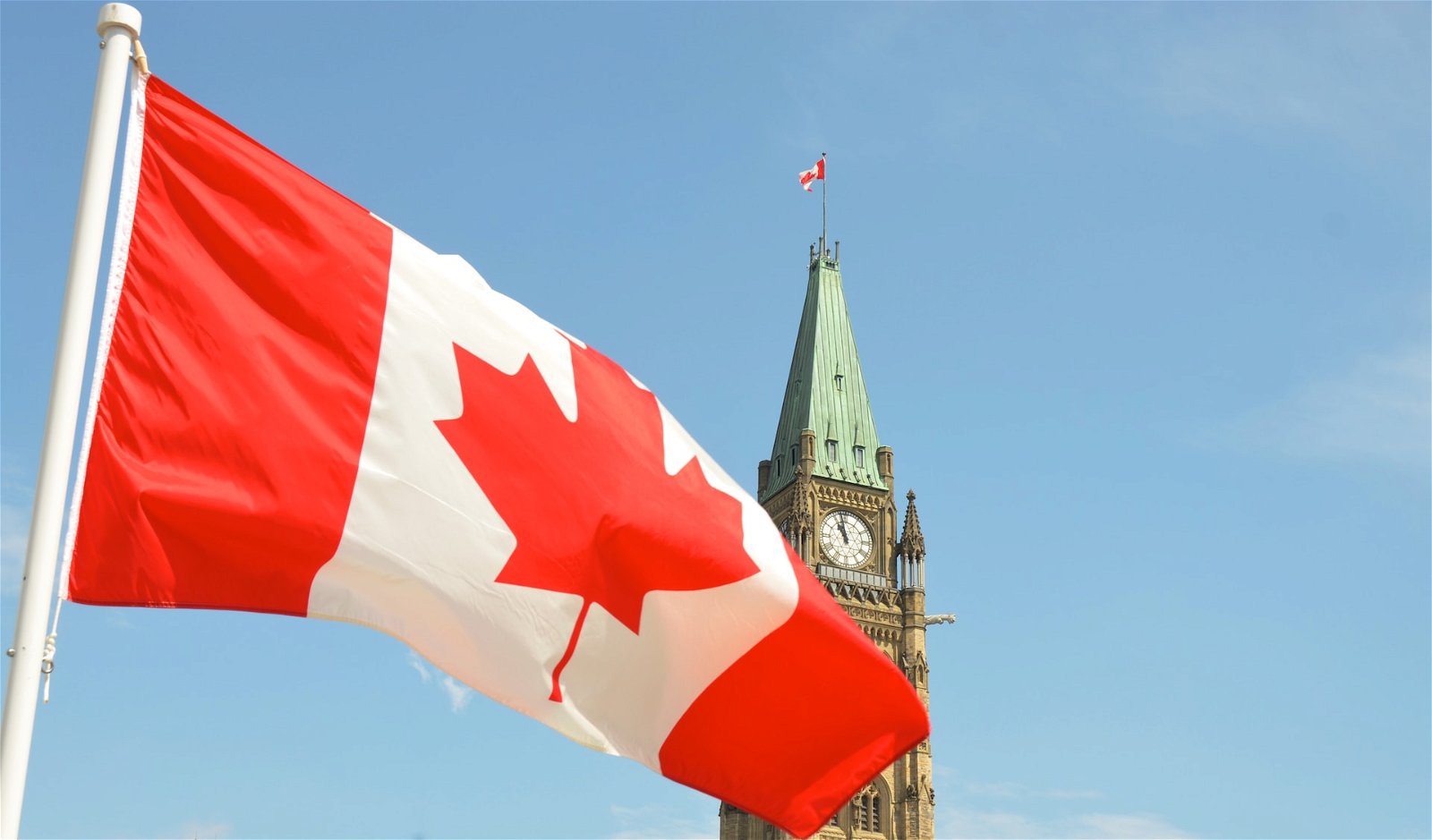

Federal Government Proposes New Regulations to Overhaul and Streamline the National Asylum System
New federal regulations aimed at modernizing the processing, decisions, and overall management of refugee claims in Canada have been announced. The new regulations were released on June 19, 2026, and are meant to serve as the guidelines for the combined legislative changes passed earlier this year under the Strengthening Canada's Immigration System and Borders Act.
Once published, the system will be formally launched with a 30-day public consultation period.
But this becomes a coordinated effort to bring into existence the most reliable system for protecting humanity. With short timeframes and past instances of bureaucratic delays overcome, officials want to establish the fastest possible screening process that can provide damage-proof protection for true refugees, while ensuring that the identification of people not entitled to national protection occurs quickly.
The Strategic Core of the Proposed Reforms
The fresh operational guidelines aim to address a range of structural deficiencies in the current structure. Among the key objectives are establishing transparent administration, removing redundant regional procedures, and streamlining the legal processing pipeline for new migrants.
The new regulations can be summarized by the following key points, which will help address the bulk of system requirements, within four broad areas:
Making Intake more straightforward: Simplify the application process to be easier to understand and follow, removing frustrating administrative barriers for applicants just starting their claims.
Enforce mandatory federal review deadlines: files will no longer be allowed to sit in a decade-long preliminary backlog before becoming available for federal review. For the first time, there will be firm time limits on how long federal agencies can take to consider and move a file forward.
Explains the reinstatement and abandonment procedures for files: The revised wording establishes precise limits on when and how a withdrawn application can be reinstated, as well as concrete procedures to close out files that do not require follow-up once an applicant fails to contact or respond to the office.
Improved mechanisms for workplace entry: Rules will be implemented to alleviate social tension within the community and support economic self-sufficiency by providing a streamlined process for eligible applicants to access open work permits while their applications are being processed.
Safeguarding vulnerable people: The revised process incorporates specific procedural protections for highly vulnerable claimants, with strict exceptions to ensure that safety rules do not inadvertently punish those experiencing exceptional distress.
Legislative Underpinnings and Decreasing Intake Volumes
The newly announced regulations did not blanket into a legal desolation; rather, they were part of the “second phase" of a package of reforms. Since Parliament passed the Canada-wide Act on 26th March, 2026, as Bill C-12, the act has received royal assent and has finally become law.
The terms of the act created a solid legal basis in four principal target areas: imposing narrowly defined eligibility rules, updating the asylum framework, improving the domestic sharing of intelligence between the provincial and national authorities, and broadening the powers of authority for formal documentation.
These administrative changes are being made at a time when there is a definite trend towards decreasing inbound migration. According to in-house research gathered during a broader review of department operations, there has been a sharp decline in total applications over the previous two years.
Reporting Frame | Comparative Intake Volume Change | Long-Term Trend Shift |
January to April 2026 compared with the same period in 2025 | 42% Reduction in Claims | Sustained downward trend |
1/01/26- 30/04/26 as compared to the same period in 2024 | 63% Reduction in Claims | Massive multi-year contraction |
This large, multi-year decline is thought to primarily result from earlier, stricter policy adjustments at the physical border. The drop in application volume allows the immigration system to operate without an excess of new cases while processing and clearing previous backlogs through improved procedures, something that would otherwise be impossible.
Broader Policy Implications and the Path Forward
According to federal leadership, a well-ordered asylum system benefits not just the applicants who come under it but also the general population within the country. If applications are processed efficiently by neutral tribunals, those proven to have fled genuine danger will gain residency and permanent legal security much sooner, enabling them to settle down, secure housing, enter the local labor market, and engage with the life of their new communities earlier.
The opposite occurs with the faster procedure: if someone is not legally entitled to international protection, they can settle their claim rapidly through an expedited process, while upholding the country's noble traditions.
In the course of this 30-day feedback countdown, opponents of the new text - human rights groups and legal commentators - are likely to examine the draft carefully to prevent an unintended lightening of processing times from trimming right to full legal representation or fair hearings in the majority of cases.
The final (revised) text will be published in the national gazette sometime this year, updating the Procedures Rule book on domestic refugee protection (without any second chances) forever.
If you're interested in learning exactly where these amendments are derived from and how they impact files currently in process, view this Bill C-12 Policy Analysis, or contact the best Immigration consultant Aptech Visa.
Call our well-versed team of the best immigration experts at 750 383 2132 / 91310 59075, or you can also write us atinfo@aptechvisa.com.
Visit Our Clients Testimonials !
Also Read - Canada Resumes Express Entry Draws: Perfect opportunity for everyone.
- Visa Immigration
- Manitoba PNP Latest Draw 2023
- Text news
- Australia
- Canada PR
- Express Entry
- Canada visitor visa
- Saskatchewan PNP
- Manitoba PNP
- Ontario PNP
- Nova Scotia PNP
- Alberta PNP
- PEI PNP
- British Columbia PNP
- Australia PR
- 189 visa
- 190 visa
- 491 visa
- Canada spouse visa
- Australia spouse visa
- New Zealand spouse visa
- Australia visitor visa
- Australia Tourist visa
- UK visitor visa
- USA tourist visa
- Express Entry Canada
- Canada PNP
- Visa consultants
- Prince Edward Island PNP
- PR visa
- Schengen Visa
- New Zealand Visa
- Immigrate to New Zealand
- New Zealand Parent Resident Visa
- Post Graduation Study Permit
- Post Graduate Work Permit
- Study in Canada
- Canada Study Permit
- Pearson English Test
- Rural Northern Immigration Pilot Program
- RNIP
- UK Spouse Visa
- UK Visa
- New Zealand tourist visa
- Spouse Visa in Australia
- Schengen tourist visa
- Healthcare
- Canada Work Permit
- Consultants
- Immigration
- tourist visa
- Australia tourist visa processing time
- Canada Visa Consultants
- USA Tourist visa
- us visa appointment
- Visitor Visa NZ
- USA Visa
- news