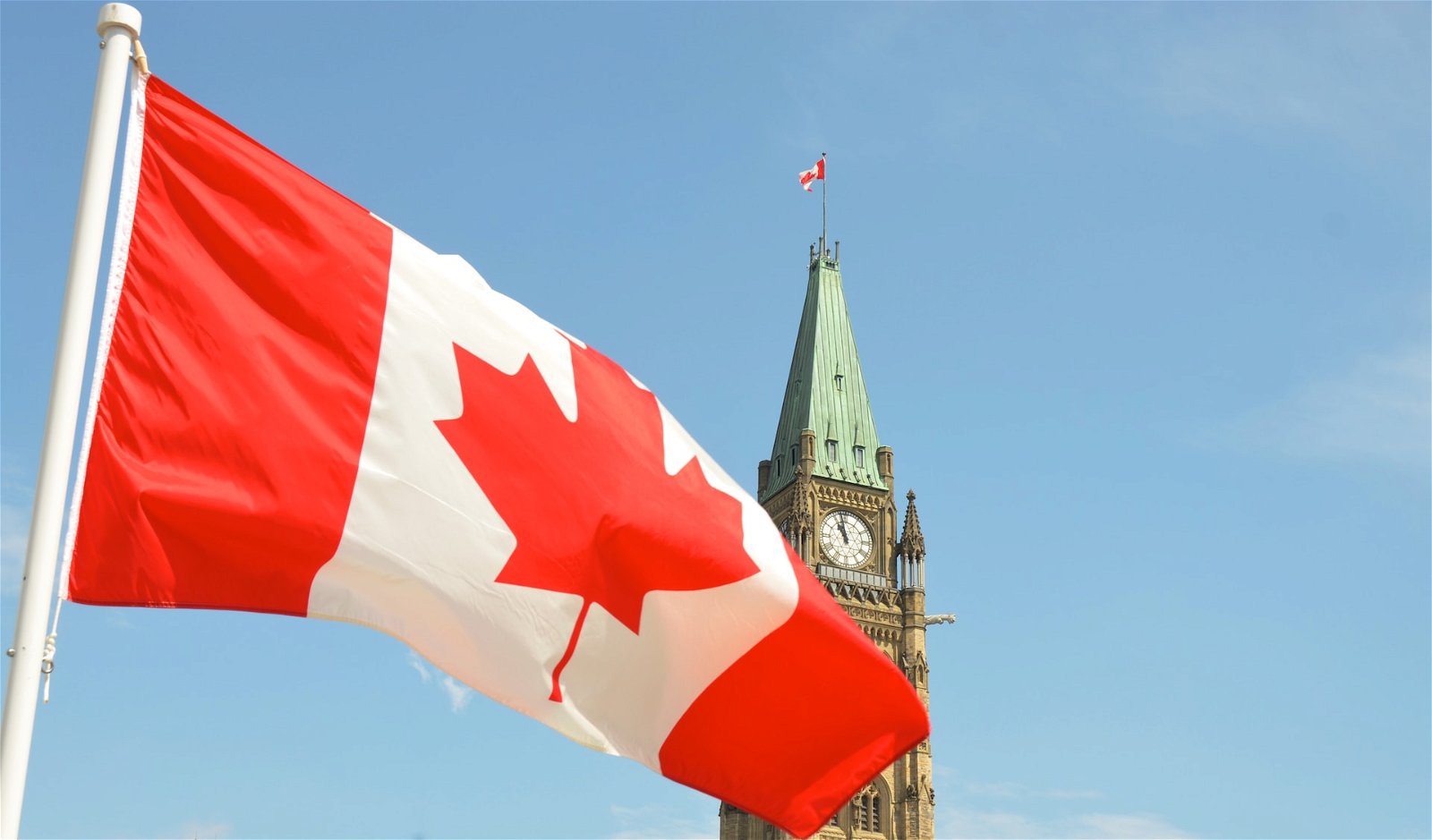

The new Policy changes for Canada affecting immigration
Beginning in June 2026, Canada is enacting a comprehensive package of changes to its rules and policies that will impact all kinds of taxpayers, workers, and families, as well as businesses and other foreign residents. The initiatives address issues across a wide range of areas, including taxes, wage-setting, health and safety regulations, the environment, and temporary public assistance.
Officials see the amendments as a single step among many in a national response to rising cost-of-living pressures, regulatory requirements and adherence to them, and public safety. These amendments also apply specifically to international students, migrant workers, recent permanent residents, and owners of non-resident land.
Summary of important modifications made as of June 2026
Throughout the month, many important policy changes will be occurring, all starting at different time frames depending on sector:
Major changes include:
One-time tax credit payment for all eligible residents
New deadline to file for certain types of taxpayers.
Limitations on availability of melatonin for children
BC minimum wage hike (some federally regulated industries included).
Statutes concerning protection of the environment and safety in transportation
These are part of a broader review of regulations that apply to both people and companies.
Updates from the Canada Revenue Agency: deadlines for tax payments and compliance changes
Most of the June policy changes are in taxation. Almost all changes are covered under the heading for a self-employed person, an incorporated organization, or a non-resident taxpayer.
Key tax deadlines:
Date | Requirement |
June 15 | Can file the income tax return of a self-employed person. |
June 30 | Large global minimum business filings. |
June 30 | Non-resident rental income tax returns |
The deadlines for self-employed taxpayers are later than the deadline for standard taxpayers. Interest on the unpaid balances from previous deadlines has implications, as the cost of penalties increases with time.
The updates are particularly significant for those earning cross-border income, i.e., non-resident property owners and owners of small businesses with international links.
Announcement of salary raise in British Columbia
Workers in industries under federal jurisdiction in British Columbia will benefit from a minimum wage increase on April 1, 2015.
The new minimum wage rate for industries including banking, telecommunication, and transportation is 18.25 CAD/hour. Employers shall observe the wage scales based on the higher of the federal and provincial rates.
This modification is likely to extend benefits to a large margin of workers in federally regulated fields, alleviating the burdens of increased CoL on minimum wages.
Introduction of a new regulation for children's medication in public health
There is a significant change in children's health law that will take effect on June 2, 2026, regarding access to melatonin products.
Key changes:
Melatonin must be obtained by prescription if the patient is under 18 years of age.
They will no longer be available for sale to the underage group.
The measure applies nationwide.
According to health authorities, the policy was implemented due to safety concerns and the need for medical supervision. By doing this, they wanted to reduce unsupervised consumption and maximize the correct dose.
Travel advantage for the season: Canada Strong Pass
The national travel program will be reinstated on 19 June 2026 and remain in effect until 7 September 2026.
Benefits include:
Free access to national parks
Offers on camping and travel services
When the license is automatically eligible, Registration is not required.
The program aims to boost domestic travel experiences and improve public access to recreation sites in the summer.
Agriculture and sector-specific deadlines
End of the Agricultural Compliance deadlines for the steel, leading, and banding industries, and agricultural general.
Key deadlines:
June 30: Rawling Program applications. AgriStability and AgriInvest.
30th June-End of the consultation on industrial hemp; deadline for submitting responses.
Expect lower pay or a fine for late submission.
Important dates in June 2026: overview
There was formatting noise in the original timeline section, so it is cleaned below for clarity.
Key dates:
Date | Event |
June 1 | Wage boost in BC; Regulations start for the environment. |
June 2 | Melatonin prescription requirement begins |
June 5 | Federal payment issued; controls on substances commence |
June 15 | Self-employed tax filing deadline |
June 19 | Canada Strong Pass begins |
June 30 | Tax and agriculture deadlines |
The overall effect of the June 2026 policy changes
The June 2026 set of regulations offers a blend of financial aid strategies and increased rules for various industries. Even though certain actions in this package are designed to give financial assistance to families through direct income and salary modifications, others include increased regulation of taxation, health care, and drug use.
For taxpayers, avoiding late payments will remain vital. Families might have to learn a new set of rules around the use of medicine for minors. Employees in the heavily regulated sector may enjoy higher wages, but industry and business owners are likely to face greater compliance obligations.
In summary, we observe a multipronged approach in implementing these changes to balance economic intervention for affected residents and residents across the world.
The new policy can help you to plan better for the immigrations and fill your applications accordingly. Call Aptech Visa for more information and queries.
Call our well-versed team of the best immigration experts at 750 383 2132 / 91310 59075, or you can also write us atinfo@aptechvisa.com.
Visit Our Clients Testimonials !
- Visa Immigration
- Manitoba PNP Latest Draw 2023
- Text news
- Australia
- Canada PR
- Express Entry
- Canada visitor visa
- Saskatchewan PNP
- Manitoba PNP
- Ontario PNP
- Nova Scotia PNP
- Alberta PNP
- PEI PNP
- British Columbia PNP
- Australia PR
- 189 visa
- 190 visa
- 491 visa
- Canada spouse visa
- Australia spouse visa
- New Zealand spouse visa
- Australia visitor visa
- Australia Tourist visa
- UK visitor visa
- USA tourist visa
- Express Entry Canada
- Canada PNP
- Visa consultants
- Prince Edward Island PNP
- PR visa
- Schengen Visa
- New Zealand Visa
- Immigrate to New Zealand
- New Zealand Parent Resident Visa
- Post Graduation Study Permit
- Post Graduate Work Permit
- Study in Canada
- Canada Study Permit
- Pearson English Test
- Rural Northern Immigration Pilot Program
- RNIP
- UK Spouse Visa
- UK Visa
- New Zealand tourist visa
- Spouse Visa in Australia
- Schengen tourist visa
- Healthcare
- Canada Work Permit
- Consultants
- Immigration
- tourist visa
- Australia tourist visa processing time
- Canada Visa Consultants
- USA Tourist visa
- us visa appointment
- Visitor Visa NZ
- USA Visa
- news