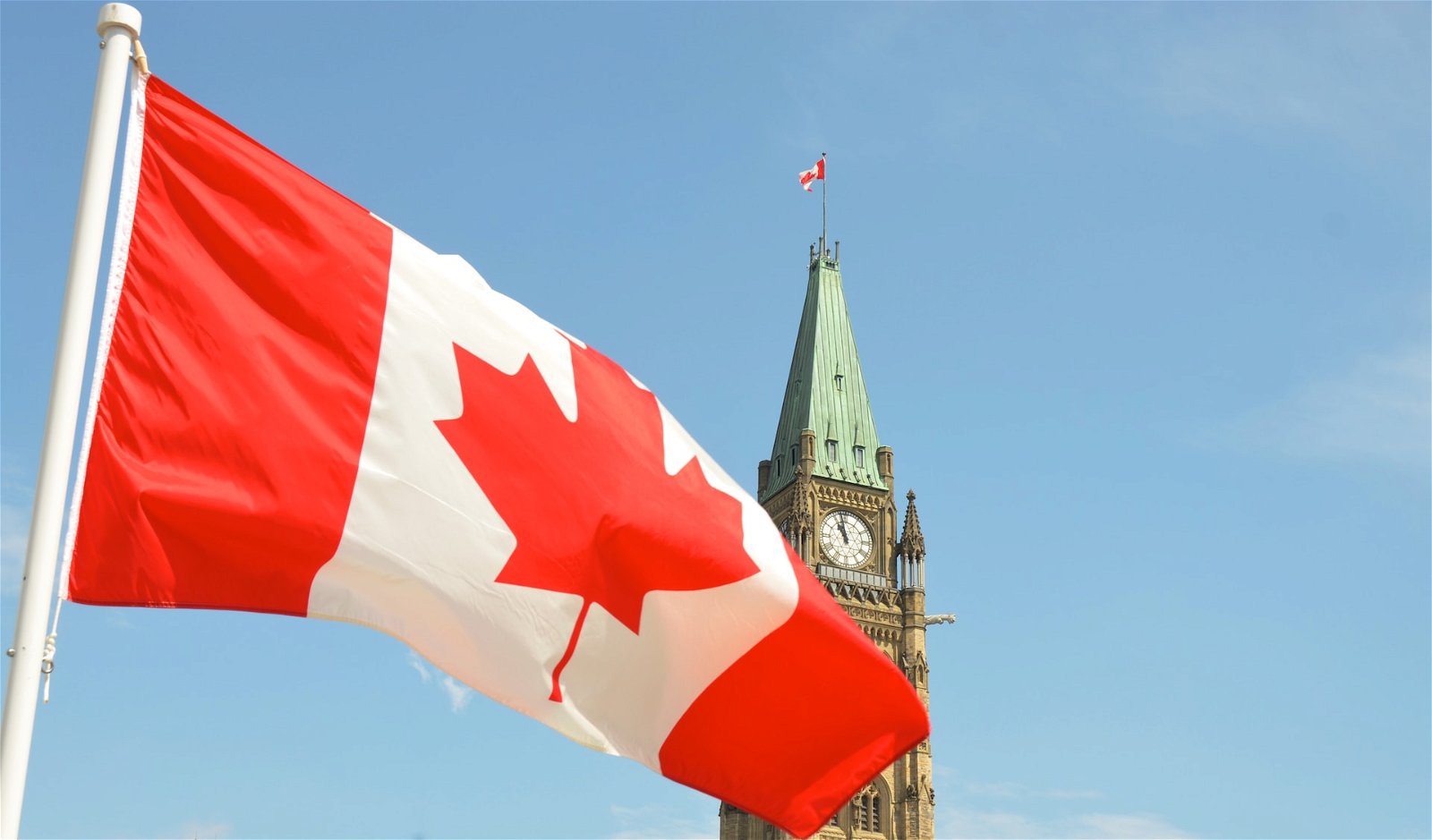

A Major Opportunity for Indian Workers, Students, and Professionals. Canada opens New PR Pathways in 2026.
These new pathways by the Canadian Authorities will focus on temporary residents, skilled workers, and labour-shortage sectors. which means immigration is possible for many.
Canada’s new Immigration policy indicates major economic growth in the country.
Temporary Residents Will Be the First Priority
One of the government’s largest 2026 initiatives will be the fast-tracked transition of up to 33,000 temporary work permit holders to PR over two years (2026–2027).
These individuals include workers who are:
Already living in Canada
Employed in essential and in-demand sectors
Contributing to local communities and the economy
- Paying taxes and integrating socially
For many Post-Graduate Work Permit (PGWP) holders from India, this special allocation could provide a direct and faster route to permanent residency, reducing the pressure of high CRS score requirements in Express Entry.
A Special PR Pathway for US H-1B Visa Holders
Canada will also introduce a new accelerated PR pathway specifically for US H-1B visa holders, especially in:
Technology
Artificial intelligence
Healthcare
Scientific research
Engineering
This initiative builds on Canada’s successful 2023 H-1B Open Work Permit pilot, which saw overwhelming interest from Indian professionals stuck in long US green card queues.
Since a majority of H-1B visa holders in the United States are Indians, this pathway could open doors for thousands of highly skilled Indian tech professionals seeking long-term stability and better residency prospects.
PR Pathways for Construction, Agriculture, and Fish Processing Workers
To address persistent labour shortages in essential industries, Canada plans to launch new sector-specific PR streams for workers in:
Construction
Agriculture
Fish and meat processing
Several High-Demand Pilot Programs Will Reopen in 2026
Home Care Worker Immigration Pilots
Rural Community Immigration Pilot (RCIP)
Francophone Community Immigration Pilot (FCIP)
These pilots typically require:
A genuine job offer
Proof of work experience
Minimum language proficiency
Educational credentials
Settlement funds
For many Indian workers already in Canada or planning to move, these programs offer additional pathways beyond Express Entry.
Replacement Program for EMPP
This updated initiative will continue supporting skilled refugees and displaced workers, offering them a chance to use their talents to rebuild their careers in Canada.
Why These Changes Matter for Indian Citizens
Indians are at the forefront of Canadian immigration. Each year:
More than 250,000 Indian students enroll in Canadian institutions
Over 120,000 Indian workers hold active Canadian work permits
Thousands more are on US H-1B visas seeking better long-term residency prospects
Here’s why the 2026 PR reforms matter so much for Indian applicants:
More PR options
With new pathways and reopened pilots, Indian applicants will have more choices than ever before.
Lower dependence on CRS scores
Many new pathways will not rely on high CRS thresholds, creating opportunities for those with moderate scores.
Better stability for families
Faster and more predictable PR pathways offer long-term financial and emotional security.
Direct advantage for H-1B Indians in the US
Canadian PR may become a realistic alternative for Indians frustrated with US immigration backlogs.
Stronger chances for Indians already in Canada
If you're studying or working in Canada, 2026 may offer exceptional opportunities to transition to PR.
How Aptech Visa Can Help You Secure PR Under the 2026 Pathways
As one of India’s most trusted Canadian immigration consultancies, Aptech Visa provides expert guidance for applicants navigating these new opportunities.
We offer:
Customised eligibility assessments
PR pathway matching based on your profile
Assistance with Express Entry, PNP, and pilot programs
Guidance for H-1B applicants transitioning to Canada
Step-by-step support with documentation, filing, and follow-up
CRS score improvement strategies
Long-term study-to-PR and work-to-PR planning
With thousands of successful Canadian PR approvals, Aptech Visa helps turn your immigration goals into reality.
Call our well-versed team of the best immigration experts at 750 383 2132 / 91310 59075, or you can also write us at info@aptechvisa.com.
Visit Our Clients Success Stories !
Also Read - What’s New in Canadian Immigration, for Indian Families?
- Visa Immigration
- Manitoba PNP Latest Draw 2023
- Text news
- Australia
- Canada PR
- Express Entry
- Canada visitor visa
- Saskatchewan PNP
- Manitoba PNP
- Ontario PNP
- Nova Scotia PNP
- Alberta PNP
- PEI PNP
- British Columbia PNP
- Australia PR
- 189 visa
- 190 visa
- 491 visa
- Canada spouse visa
- Australia spouse visa
- New Zealand spouse visa
- Australia visitor visa
- Australia Tourist visa
- UK visitor visa
- USA tourist visa
- Express Entry Canada
- Canada PNP
- Visa consultants
- Prince Edward Island PNP
- PR visa
- Schengen Visa
- New Zealand Visa
- Immigrate to New Zealand
- New Zealand Parent Resident Visa
- Post Graduation Study Permit
- Post Graduate Work Permit
- Study in Canada
- Canada Study Permit
- Pearson English Test
- Rural Northern Immigration Pilot Program
- RNIP
- UK Spouse Visa
- UK Visa
- New Zealand tourist visa
- Spouse Visa in Australia
- Schengen tourist visa
- Healthcare
- Canada Work Permit
- Consultants
- Immigration
- tourist visa
- Australia tourist visa processing time
- Canada Visa Consultants
- USA Tourist visa
- us visa appointment
- Visitor Visa NZ
- USA Visa
- news